
Invisalign in Brookline, MA
Discreet Orthodontic Care
Why Choose BOSTON SMILE CENTER for Invisalign?

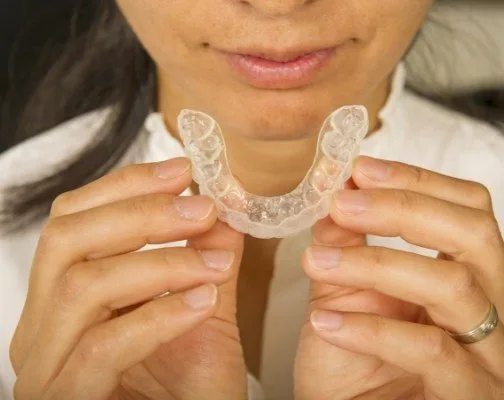
What Is Invisalign
Invisalign is a clear aligner system that gradually moves your teeth into proper alignment using a series of custom-fabricated, removable trays made from smooth, BPA-free SmartTrack plastic. There are no brackets to bond to teeth and no wires to tighten — just a series of precision-engineered aligners, each designed to carry your teeth a small step further toward their final position. You wear each set of trays for approximately one to two weeks before advancing to the next in the series.
Every Invisalign case at Boston Smile Center begins with digital 3D scans of your teeth. These scans allow Dr. Abugad to map out the full sequence of movements for your smile before you ever wear your first aligner. You can see a preview of your projected result before treatment begins — giving you a clear picture of where you are going and confidence in the plan before committing. As a Certified Platinum Invisalign provider, Dr. Abugad has completed a significant volume of cases across a range of complexity levels, which means your treatment plan is informed by real clinical experience, not just training.

Why Adults Choose Invisalign
For many adults in the Brookline area, Invisalign appeals precisely because it does not announce itself. The aligners are nearly invisible during normal wear, and most people around you — in meetings, at dinner, in photos — will not notice them at all. They are also removable, which means you eat whatever you want, maintain your full brushing and flossing routine without modification, and take them out for any occasion where you prefer not to wear them.
What many adults do not expect is the broader oral health benefit that comes with straighter teeth. Properly aligned teeth are easier to clean thoroughly, which reduces the bacterial buildup that contributes to gum inflammation and decay over time. Crowded or overlapping teeth create pockets that are difficult to reach with a toothbrush or floss — straightening them eliminates those hiding places. Bite issues, when left uncorrected, can also contribute to uneven enamel wear and jaw discomfort over years. For our patients in their 40s, 50s, and beyond, addressing alignment now is often as much about protecting the health of their smile going forward as it is about appearance — and Invisalign makes both goals achievable without disrupting daily life.

What Invisalign Can Address
Invisalign is effective for a wide range of alignment concerns — many of which adults carry with them for years without realizing how treatable they are. Some of the most common conditions Dr. Abugad addresses with clear aligners include:
- Crowding: teeth that overlap or are positioned too closely together, making thorough cleaning difficult and contributing to gum inflammation over time
- Spacing: gaps between teeth that affect both appearance and the way the bite distributes pressure
- Overbite: upper teeth that extend too far over the lower teeth, which can accelerate wear on the lower front teeth
- Underbite: lower teeth that sit in front of the upper teeth when the jaw is closed
- Crossbite: misalignment in which upper and lower teeth do not meet properly on one or both sides, which can cause uneven wear and jaw strain
- Open bite: upper and lower front teeth that do not make contact when the mouth is closed
Many of our patients are addressing shifting that has occurred naturally over time, or correcting dental work from earlier in life that has moved or settled. Invisalign, paired with our advanced dental technology, allows Dr. Abugad to treat these cases with precision and deliver results that hold up long-term — particularly when followed by consistent retainer wear after treatment completes.
Your Invisalign Treatment at Boston Smile Center
Every Invisalign case begins with a thorough consultation and complete picture of your oral health. Dr. Abugad takes digital impressions of your teeth and builds a treatment plan based on your specific alignment goals. From there, your aligners are fabricated to match the exact tooth movements planned for each stage — you do not just receive a set of trays, you receive a precisely sequenced treatment plan with a clear endpoint.
Throughout treatment, you will come in for periodic check-in visits — typically every six to eight weeks — so Dr. Abugad can monitor your progress and ensure everything is tracking as planned. Most check-ins are brief, often under thirty minutes, unless refinements are needed. If your teeth are not moving exactly as projected, adjustments can be made without starting over. Most Invisalign cases are completed within 12 to 18 months, though some patients see results sooner depending on the complexity of their case and how consistently they wear their aligners.
Once treatment is complete, you will transition to a retainer — an essential step that preserves everything you worked for. Teeth have a natural tendency to shift back toward their original positions after orthodontic movement, and retainer wear is what locks your results in place. Dr. Abugad will discuss your specific retention plan at treatment completion. For patients exploring ways to further enhance their appearance, Invisalign pairs well with other services like smile makeovers and teeth whitening — many patients choose to whiten immediately after completing Invisalign, when their newly aligned teeth can be brightened evenly.
Wearing Your Aligners
For Invisalign to work on schedule, aligners need to be worn for a minimum of 22 hours per day — Dr. Abugad’s recommendation for optimal results. The most reliable approach is to remove them only for eating, drinking anything other than plain water, and oral hygiene. If you find it challenging to meet your daily wear goal, keeping track with a timer app at meals can help you stay on track without overthinking it.
Cleaning Your Aligners
Keeping aligners clean is straightforward — you do not need special products. A soft-bristled toothbrush and a small amount of clear, mild dish soap will remove buildup effectively. Always rinse with room-temperature water when you take them out, never hot water, as heat can warp the plastic. Avoid soaking aligners in mouthwash containing alcohol, as this can discolor and degrade the material over time.
Eating and Drinking
One of Invisalign’s most practical advantages is that there are no dietary restrictions — remove your aligners before meals and you can eat anything. The only caution is to avoid eating or drinking anything other than plain water with your aligners in, as food particles and sugary or acidic beverages can become trapped against your enamel, accelerating decay during treatment.
If You Lose or Damage a Tray
Contact our office right away. Depending on where you are in your series, Dr. Abugad will advise you to either wear the previous set of aligners while replacements are ordered, or advance to the next set slightly ahead of schedule. The sooner you call, the sooner we can get your treatment back on track without losing momentum.
About Attachments
Some Invisalign cases require small tooth-colored attachments — tiny composite bumps bonded to specific teeth to give the aligners something to push against for more complex movements. If Dr. Abugad determines your case requires them, he will explain which teeth will have attachments and why. They are considerably less visible than traditional brackets and are removed when treatment is complete.

Begin Your Invisalign Journey at Boston Smile Center
Invisalign Cost and Financing
Meet the Dentist Behind Your Invisalign Treatment
Clear aligner treatment at Boston Smile Center is led by a Certified Invisalign provider, so your treatment plan is guided by a dentist with dedicated training in aligner therapy.
Medically reviewed by Ahmed Abugad, DMD
Dr. Ahmed Abugad
DMD, Certified Invisalign Provider
Dr. Abugad earned his DMD from the Boston University Goldman School of Dental Medicine, graduating with high honors. He has advanced training in CEREC crown technology and is a Certified Invisalign provider, making him a strong choice for patients pursuing clear aligner treatment. He is a member of the Massachusetts Dental Society and the American Dental Association, and he is committed to helping patients straighten their smiles comfortably and discreetly.
Invisalign FAQs
When people think of braces, they most often think of traditional orthodontics with metal brackets and wires. However, Invisalign is another alternative that can address the same orthodontic concerns, but without the obvious mouthful of metal. Therefore, Invisalign appeals to many people, but they still have questions. Here, Dr. Abugad answers some frequently asked questions about Invisalign.
How Do Aligners Straighten Teeth?
What Makes Teeth Move with Invisalign Aligners?
Invisalign aligners move teeth through the targeted placement of controlled force. But not only is the force controlled, it is also timed. In other words, only certain teeth move during each stage of treatment.
What Are the Advantages of Invisalign?
Beyond the obvious cosmetic benefit of a straighter, more symmetrical smile, Invisalign delivers real oral health advantages. Properly aligned teeth are significantly easier to clean — crowding creates overlapping surfaces and tight contacts where a toothbrush and floss cannot reach effectively, leading to plaque buildup, gum inflammation, and higher cavity risk over time. Correcting bite issues can also reduce uneven enamel wear and relieve the jaw strain that many adults experience but never associate with misalignment. For patients in their 40s and 50s, this makes Invisalign an investment in the long-term health of their smile, not just its appearance.
How Long Will Invisalign Treatment Take?
How Much Will I Need to Wear My Invisalign Aligners?
How Often Will I Need to Schedule Progress Visits with Invisalign?
Check-in visits are typically scheduled every six to eight weeks throughout treatment. Most appointments are brief — often under thirty minutes — and primarily involve Dr. Abugad or a team member confirming your teeth are tracking as planned and providing your next sets of aligners. If your teeth are not moving exactly as projected, those visits are where refinements get caught early, before a small deviation becomes a larger one. Staying current with your check-ins is an important part of keeping treatment on schedule.
Are Invisalign Aligners Painful?
It is common to notice mild pressure or slight soreness for the first day or two after switching to a new set of aligners. This is a sign the aligners are doing their job — moving your teeth to the next position in the treatment plan. The sensation is typically much less intense than what patients describe with traditional braces and usually resolves within 48 hours. Over-the-counter pain relievers are effective if needed. If discomfort persists beyond a few days or an aligner feels significantly wrong, contact our office — it may indicate a fit issue that should be addressed before you progress to the next set.
Will My Speech Be Affected by Aligners?
Can I Chew Gum and Wear My Aligners?
Remove your aligners before chewing gum — gum will stick to the plastic and is difficult to clean off without damaging the tray. Keep them out while chewing and replace them when you are done.
How Should I Clean My Aligners?
A soft-bristled toothbrush and a small amount of clear, mild dish soap are all you need. Gently brush the inside and outside surfaces of each tray, rinse thoroughly with room-temperature water, and let them air dry before replacing them. Avoid hot water, which can warp the plastic, and mouthwash containing alcohol, which can cause discoloration and degrade the material over time. Rinsing your aligners with clean water each time you remove them — before meals and before cleaning — helps prevent buildup and keeps them clear throughout treatment.
Request an Appointment
"*" indicates required fields