
Cosmetic Bonding in Brookline, MA
Touch Up Cosmetic Imperfections
A chipped tooth, a small gap, or years of surface staining can make it hard to feel confident in your smile — and for many patients, the fix is simpler than they expect. Cosmetic dental bonding is a versatile, minimally invasive treatment that can correct multiple aesthetic imperfections in a single appointment, without removing significant tooth structure or requiring a dental lab. It is one of the most practical options available for patients who want a meaningful result on their timeline.
At Boston Smile Center, we offer cosmetic bonding as part of a comprehensive suite of cosmetic dentistry services in Brookline. Dr. Sasson, a Fellow of the International Academy of Dental Facial Esthetics with over 35 years of experience, brings a trained eye for proportion and natural aesthetics to every bonding case he treats. Dr. Abugad brings the same patient-focused precision to his work. Bonding done well looks like nothing was ever done at all — and that is exactly what we aim for. To learn whether bonding is right for your smile, contact our team to schedule a consultation.
Why Choose Boston Smile Center for Cosmetic Bonding?

What Is Cosmetic Dental Bonding
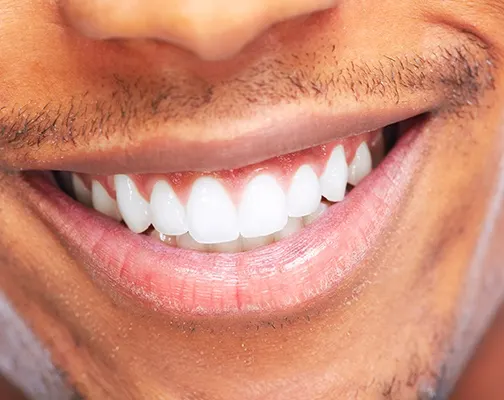
Cosmetic bonding is a procedure in which a tooth-colored composite resin is applied directly to the surface of a tooth and hand-sculpted to correct an aesthetic concern. The material is custom-matched to the shade of your surrounding teeth, making the finished result virtually undetectable. Because the composite bonds chemically to the tooth, it also adds a measure of structural support — particularly useful when filling in a chip or closing a small gap.
How the procedure works
The bonding process begins with a light conditioning of the tooth surface to help the resin adhere properly. The material is then applied in layers, with each layer cured using a specialized light before the next is added. Dr. Sasson or Dr. Abugad shapes and sculpts the composite with precision at each stage, building the tooth back to its ideal contour. Once the desired shape is achieved, the surface is polished until it blends seamlessly with the rest of your smile. In most cases no anesthesia is needed, and the entire treatment is completed in one visit. For patients pursuing more involved changes, smile makeovers can incorporate bonding alongside other procedures for a fully customized result.
What Conditions Can Bonding Treat
One of bonding’s greatest strengths is how much it can accomplish with minimal intervention — no lab time, no multiple appointments, and little to no removal of healthy tooth structure. It is one of the most flexible cosmetic treatments available, capable of addressing a wide variety of concerns in a single visit.
Cosmetic bonding is commonly used to address the following:
- Chipped or cracked teeth — restoring the original shape and protecting the area from further damage
- Gaps between teeth — widening adjacent teeth slightly to close small spaces without orthodontic treatment
- Misshapen or uneven teeth — building up or recontouring a tooth that is shorter, narrower, or irregularly shaped
- Discoloration or staining — covering intrinsic stains that do not respond to professional teeth whitening
- Teeth worn shorter over time — adding back length that has been lost through years of grinding or natural wear
- Exposed root surfaces — covering sensitive root areas left exposed by gum recession, reducing sensitivity and improving appearance
- Minor alignment irregularities — visually evening out slight rotations or size differences without braces
Bonding works best on patients with healthy teeth and gums, which is why a thorough evaluation is always the starting point at Boston Smile Center. If there are underlying concerns — active decay, gum disease, or a heavily stressed bite — those need to be addressed first to ensure your results are stable and lasting.
The Longevity of Dental Bonding
With proper care, cosmetic bonding on front teeth typically lasts anywhere from 5 to 10 years before a touch-up or replacement becomes worthwhile. Longevity depends on the location of the bonding, the forces your bite places on it, and your daily habits. Bonding on teeth that bear heavy chewing pressure — like premolars or molars — will generally not last as long as bonding on front teeth that experience lighter contact.
Caring for bonded teeth
A few habits make a meaningful difference in how long your bonding holds up. Avoid biting into very hard foods directly with bonded teeth — hard candies, ice, and crusty bread apply more force than the composite is designed for. Limit dark-colored foods and beverages where possible, and rinse with water after consuming them. Keep up with your brushing and flossing routine, as composite is not immune to the plaque and bacteria that accumulate around natural teeth.
If you grind or clench at night, a custom nightguard is an important protective measure — grinding places significant lateral stress on bonded teeth and is one of the most common causes of premature chipping. It is also worth timing your treatment thoughtfully: if you are considering professional whitening, complete that before your bonding appointment, since composite resin does not lighten with bleaching agents. Starting with whitening ensures your bonding can be matched to your brightened shade rather than your pre-treatment one.
Meet the Dentists Behind Your Cosmetic Bonding
Every bonding case at Boston Smile Center is handled by an experienced, credentialed cosmetic dentist, so your results are shaped with precision and an eye for natural-looking detail.
Medically reviewed by Alan Sasson, DDS
Dr. Alan Sasson
Cosmetic, Restorative, and Implant Dentist
Dr. Sasson has been a Brookline mainstay for over 35 years. He earned his dental degree from the Goldman School of Graduate Dentistry at Boston University and holds a certification in Oral Implantology from Brookdale Hospital in New York. He has held faculty appointments at the Harvard School of Dental Medicine, the Forsythe Institute, and the Medical Research Foundation of Boston, and he is a past president of the Brookline Dental Society, the Boston Dental Collaborative, and the Boston Society for Dental Esthetics. Boston Magazine has honored him in its Best of Boston issue for cosmetic dentistry on more than one occasion.
Dr. Ahmed Abugad
DMD, Certified Invisalign Provider
Dr. Abugad earned his DMD from the Boston University Goldman School of Dental Medicine, graduating with high honors. He has advanced training in CEREC crown technology and is a Certified Invisalign provider. He is a member of the Massachusetts Dental Society and the American Dental Association, and he brings a detail-oriented, patient-focused approach to every cosmetic case he treats.

Is Cosmetic Bonding Right for You
Cosmetic bonding works best when matched carefully to the right situation. Ideal candidates are patients with healthy teeth and gums who want to address one or a few specific concerns — a chip, a gap, a stain — without committing to the level of preparation that veneers or crowns require. It is also a popular option for patients who want to preview the look of a potential smile change before making a more permanent decision.
Bonding is not the right choice for every situation. Patients with significant structural damage, large areas of decay, or a heavy bite that places extreme force on the treated teeth may be better served by a more durable restoration. Similarly, if you are looking to change the appearance of many teeth at once with results that last considerably longer, porcelain veneers may be a more appropriate path. Dr. Sasson and Dr. Abugad will always give you an honest assessment of which option serves your goals best — bonding where it makes sense, and a stronger alternative where it does not. Visit our smile gallery to see the results our team has achieved across a range of cosmetic treatments.
Choose Boston Smile Center for Cosmetic Bonding in Brookline
Boston Smile Center brings together advanced training, a passion for cosmetic dentistry, and a genuine commitment to patient care. Dr. Sasson’s fellowship with the International Academy of Dental Facial Esthetics reflects a standard of cosmetic precision that goes beyond general dentistry — bonding, at its best, requires a trained eye for proportion, color, and natural form, and that is exactly the standard we apply. Dr. Abugad brings the same attention to detail and patient-first philosophy to every cosmetic case he handles.
Our Brookline practice has earned Best of Boston recognition year after year, and patients describe it as a place where everyone knows your name — warm and familiar, with the kind of technology and expertise you would expect from a leading cosmetic dentistry practice in the Greater Boston area. Whether you are addressing a single chip or looking at a broader set of changes, cosmetic bonding can be one of the most impactful and accessible paths to a smile you feel good about. To take the first step, contact our office to schedule a consultation with Dr. Sasson or Dr. Abugad at our Brookline location.
Understanding the Cost of Cosmetic Bonding
The cost of cosmetic bonding depends on how many teeth are being treated and the extent of the work involved, so the most accurate figure comes from an in-person consultation rather than a general estimate. Because bonding is typically an elective cosmetic treatment, it is often not covered by dental insurance, though cases that also restore function may be partially covered depending on your plan.
To help make treatment accessible, Boston Smile Center accepts a range of payment options, including CareCredit, in-house payment plans, and HSA or FSA funds. During your consultation, we will review the details with you so you have a clear understanding of your investment before moving forward.
Cosmetic Bonding FAQs
Request an Appointment
"*" indicates required fields